Bank Account Opening





HANG SENG will never ask you to hand over confidential information like passwords or one-time passcodes (OTPs)
Fraudsters exploit one-time passcodes (OTPs) through sophisticated social engineering scams, bypassing multi-factor authentication (MFA) to gain unauthorized access to accounts. In these attacks, criminals manipulate victims into revealing their codes, effectively neutralizing the security benefit of the OTP.

Remote access takeover attacks are on the rise
Remote access fraud is typically initiated when a fraudster makes an unsolicited phone call to the victim, claiming to be from Hang Seng Bank. The fraudster will often say that there is an issue with the user’s Hang Seng Business e-Banking access, there’s a problem with payments, or that they’ve discovered fraudulent payments from the profile.

Welcome to HASE’s Fraud DigiGuide
Our Fraud DigiGuide is your one-stop hub for learning how to detect, prevent, and respond to fraud
Payment fraud can result in significant financial losses. Businesses of every size are at risk. This DigiGuide is designed to equip you and your staff to spot and prevent payment fraud and scams, and to take the right steps if you fall victim.
This information will help you learn about common fraud and scams that could impact your business and outlines some practical steps you can take to prevent your business from falling victim to fraudsters.
Education on this topic across an organisation makes for a better protected business, and this DigiGuide provides a number of tips and checklists which can be shared across management and payment teams.
What you can find in this page
Key Statistics & Insights
In 2025, the number of deception cases in Hong Kong is 43,212, representing a slight decrease of 2.9% compared with 2024.
Total pecuniary loss amount was HKD8.1B in 2025.
Source: Hong Kong Police Force

|
Business Email Compromise and CEO FraudThis is an authorised push payment scam where a person or business is tricked into sending money to a fraudster posing as a genuine person or organisation, such as a supplier or CEO. |

|
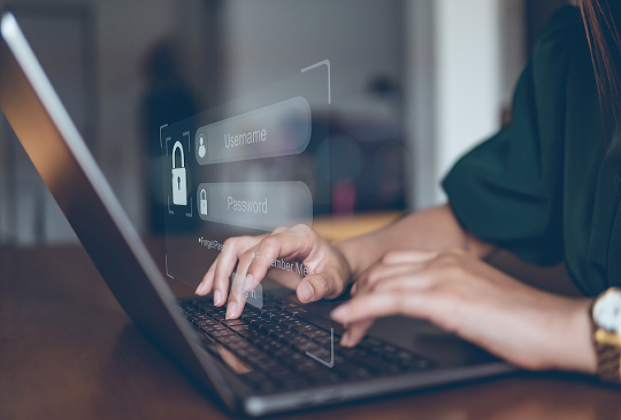
Account TakeoverThis type of fraud happens when a fraudster gains access to your bank account, typically by tricking you into divulging information, and resets your passwords and any security numbers so you cannot access your account. They may change the phone number, address and email address connected to the account; this enables them to use the account as if they were a legitimate customer. |

|
Gen AI and FraudFraudsters may use generative AI to scam people and businesses. To help protect yourself, it's important that you understand the different types of scams and what to look out for. |

|
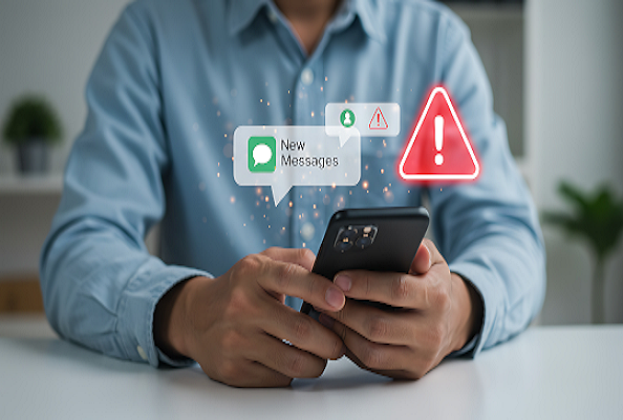
Vishing and Telephone ScamsA phone scam, or vishing, is when a fraudster calls pretending to be your bank or another trusted organisation. They can even make their call appear to come from a number you know and trust. This is known as ‘Phone Number Spoofing’. |